

Welcome
Looking for a church home? Searching can be difficult. You can spend a lot of time visiting different churches looking for one that seems suitable for your family.
We would love for you to visit our church. We won’t try to persuade you to attend Fairfield Methodist Church. That decision is between you and God. We’d much rather have you find where you are supposed to be.
Fairfield Methodist Church is an independent Methodist church. Though we follow Methodist traditions, we are not associated with any denomination. We believe in God, his son Jesus, and the Holy Spirit. We believe that the Bible is God’s word.
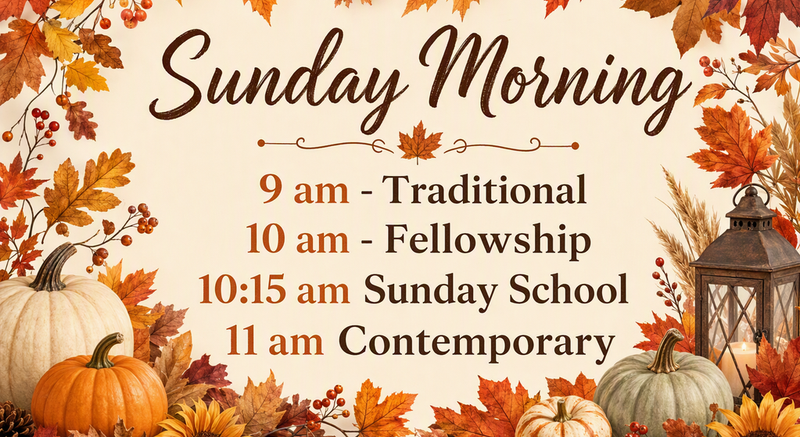
We have two services on Sunday morning. Both services are similar except for the music. The 9 a.m. service has more traditional Christian songs accompanied by a piano. The 11 a.m. service has newer songs accompanied by a band.
What you’ll find here is uncomplicated worship with people who love the Lord and care for each other.
Whether you visit Fairfield Methodist Church or another church, our prayer is that you will find the church family God wants for you.
